





Mental Health and Academic Pressure: Coping Strategies for Students & Parents in India
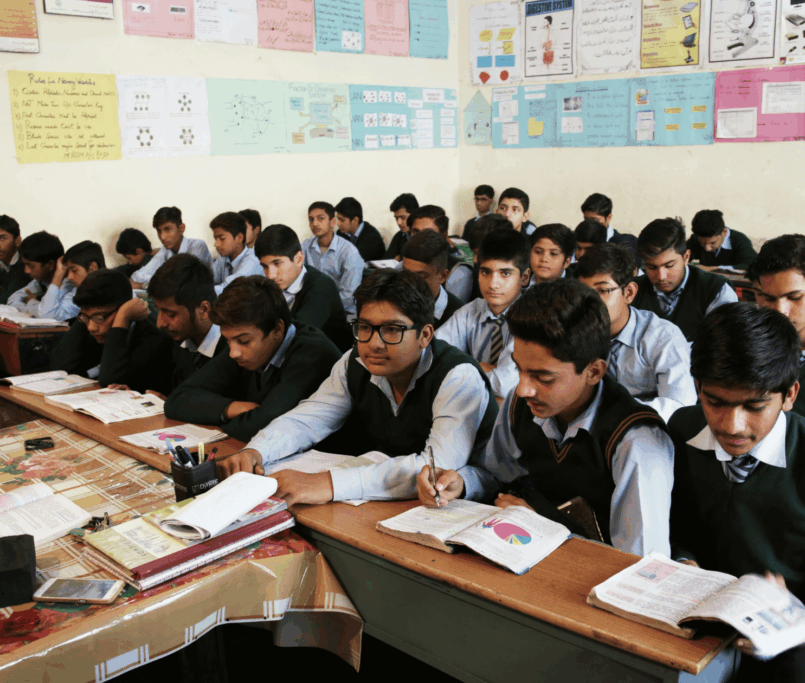
Academic pressure has become one of the biggest stress factors for Indian students today. From school-level competition to board exams, entrance tests, coaching culture, parental expectations and social comparison—students face an intense environment that impacts their emotional well-being. Mental health challenges like anxiety, burnout, self-doubt, fear of failure and lack of confidence have become extremely common across all age groups.
This blog highlights why academic pressure is rising, how it impacts students, warning signs to look for, and practical coping strategies for students and parents. It also covers actionable steps to build a supportive environment at home and school.
1. Why is Academic Pressure Increasing in India?
1.1 The Competition Culture
- Lakhs of students compete for a few thousand seats in top colleges.
- Coaching institutes add to a high-pressure routine.
- Peer comparison creates constant stress.
1.2 Parental Expectations
- Many parents believe good marks guarantee success.
- Students internalize expectations and fear disappointing their families.
1.3 Social Media Influence
- Students compare their academic achievements with others’ “highlight reels.”
- Pressure to look successful increases anxiety.
1.4 Job Market Uncertainty
- Fear of unemployment pushes students to chase high-paying fields.
- Students often choose careers they don’t enjoy, leading to long-term stress.
1.5 Lack of Mental Health Awareness
- Mental health is still misunderstood in many Indian households.
- Stress is often dismissed as “normal” or “part of life.”
2. How Academic Pressure Affects Students
2.1 Emotional Impact
- Anxiety and constant worry
- Overthinking and negative self-talk
- Loss of confidence
- Fear of failure
2.2 Physical Impact
- Headaches, fatigue, stomach issues
- Sleep disturbances
- Drop in energy and concentration
2.3 Behavioral Impact
- Irritability and mood swings
- Withdrawal from friends and activities
- Avoiding studies due to fear
2.4 Academic Impact
- Lower performance due to stress
- Lack of motivation
- Burnout leading to complete disengagement
3. Warning Signs Parents Should Watch For
3.1 Emotional Red Flags
- Persistent sadness
- Panic attacks or frequent crying
- Expression of hopelessness
3.2 Social Red Flags
- Isolation from family and friends
- Loss of interest in hobbies
- Avoiding conversations about school
3.3 Behavioral Red Flags
- Increased anger or frustration
- Sudden drop in grades
- Procrastination or inability to focus
3.4 Physical Red Flags
- Sleep issues (too little or too much)
- Loss of appetite or overeating
- Body pains or frequent sickness
If several signs persist for more than 2–3 weeks, it may indicate a deeper mental health concern.

4. Coping Strategies for Students
4.1 Manage Time Effectively
- Use the 50-10 rule: 50 minutes study + 10 minutes break.
- Prioritize tasks using:
- Important & Urgent
- Important but Not Urgent
- Not Important but Urgent
- Not Important & Not Urgent
4.2 Healthy Study Habits
- Study in short, focused sessions.
- Create a clean, distraction-free environment.
- Take notes and revise regularly instead of last-minute studying.
4.3 Build a Support System
- Talk to friends, teachers, counsellors or family members.
- Share struggles instead of bottling them up.
- Join study groups for motivation.
4.4 Practice Stress-Relief Techniques
- Deep breathing exercises
- Meditation for 5–10 minutes daily
- Light physical activities like walking, yoga or sports
4.5 Avoid Comparing Yourself to Others
- Set personal goals instead of competing academically.
- Focus on self-improvement, not perfection.
4.6 Accept That Failure Is Part of Growth
- Failure shows areas for improvement.
- It does not define your worth.
- Many successful individuals faced multiple failures before succeeding.
4.7 Balance Studies with Life
- Make time for hobbies.
- Spend time outdoors.
- Celebrate small achievements.
5. Coping Strategies for Parents
5.1 Communicate Without Pressure
- Ask your child how they feel, not just how they performed.
- Avoid comparison with siblings, cousins or neighbours.
- Encourage open conversation about stress and emotions.
5.2 Redefine Success
Teach children that success includes:
- Skill development
- Confidence
- Curiosity
- Problem-solving
- Happiness
Marks are only one part—not the whole picture.
5.3 Reduce Unrealistic Expectations
- Understand your child’s strengths.
- Avoid projecting your own dreams onto your child.
- Encourage them to explore interests freely.
5.4 Create a Supportive Home Environment
- Celebrate effort, not just results.
- Help children plan study schedules.
- Avoid fights or tension during exam time.
5.5 Promote Healthy Lifestyle Habits
- Ensure proper sleep
- Balanced meals
- Regular outdoor activity
5.6 Seek Professional Help When Needed
Consult a counsellor if:
- Anxiety is severe
- The child avoids school
- Emotional breakdowns are frequent
- Self-harm thoughts or harmful behaviour appear
Mental health professionals can help with stress, anxiety, learning patterns and motivation.
6. How Schools Can Reduce Pressure
6.1 Provide Access to Counsellors
- Regular mental health sessions
- Guidance for exam stress
- Emotional check-ins
6.2 Focus on Holistic Growth
- Arts, sports and extracurricular activities
- Skill-building sessions
- Career guidance workshops
6.3 Reduce Rote Learning Culture
Encourage:
- Creativity
- Critical thinking
- Practical learning
6.4 Educate Teachers on Mental Health
Teachers should be trained to identify warning signs and handle students sensitively.

7. Healthy Academic Environment: What It Looks Like
7.1 Balanced Schedules
- Study + rest + hobbies
- Weekend breaks
- Reduced homework overload
7.2 Recognition Beyond Marks
- Acknowledging talents in art, music, writing, sports, coding, photography, etc.
7.3 Appreciation of Individual Strengths
Every student learns differently:
- Visual learners
- Auditory learners
- Kinesthetic learners
- Slow but consistent learners
Each style is valid.
8. Practical Daily Tips for Students
Daily Checklist
- 7–8 hours of sleep
- 30 minutes of physical activity
- 2–3 hours of productive study
- 15 minutes of mindfulness
- Limited social media
- Balanced meals
- Time for one hobby
Study Routine Example
- Morning: Revision
- Afternoon: Solve questions
- Evening: Light study + relaxation
- Night: Review next day’s tasks
9. Practical Daily Tips for Parents
- Listen without judgement.
- Appreciate effort more than marks.
- Avoid discussing results repeatedly.
- Reduce pressure during exam time.
- Encourage small breaks and relaxation.
- Support children’s interests even if they are different from your expectations.
10. Final Thoughts
Academic pressure is a real challenge—but it can be managed with awareness, support and the right strategies. Students must learn to balance academics with emotional well-being, and parents must create an understanding environment that helps children grow with confidence.
A mentally healthy student is more likely to:
- Perform better academically
- Build long-term resilience
- Make smarter career choices
- Enjoy learning
- Achieve personal and professional success
Success is not only about marks—it is about mindset, balance and mental well-being.