





Building a Powerful Portfolio in High School: Internships, Projects, Extra-Curriculars and More
A strong portfolio is one of the most valuable assets a high school student can build. Whether a student plans to pursue college admissions, apply for internships, seek scholarships or build a future career profile, a well-structured portfolio sets them apart from thousands of applicants. In India, where competition is high, and marks alone no longer define a student’s potential, a portfolio becomes an important tool to showcase skills, achievements, personality and practical experience.
A portfolio reflects not just what a student has studied, but also what they have done, learned and created. It highlights initiative, creativity, critical thinking, leadership and consistency. The earlier students start, the stronger their profile becomes by the time they finish school. This blog explains how high school students can build an impressive portfolio with internships, projects, extracurriculars and more.
1. Understanding What a Portfolio Is
A portfolio is a collection of a student’s best work, achievements and experiences. It shows colleges and future employers the student’s:
● Skills
● Interests
● Strengths
● Experiences
● Personal growth
A good portfolio highlights both academic and non-academic accomplishments. It helps students stand out even if their marks are average, because it demonstrates real-world capability.
2. Why High School Students Need a Portfolio
Creating a portfolio has several benefits:
● It strengthens college applications, especially for design, business, humanities and technology courses.
● It helps students track their own progress and identify strengths.
● It supports scholarship applications.
● It shows commitment, creativity and initiative.
● It provides evidence of skills through real projects and achievements.
Students who start early gain a huge advantage.

3. What to Include in a High School Portfolio
A strong portfolio has multiple components. Each part adds value and helps create a complete picture of the student’s potential.
3.1 Academics and Certifications
This section includes:
● School grades
● Subject achievements
● Online course certificates
● Competition results
● Test scores
● Language certifications
Strong academics build credibility.
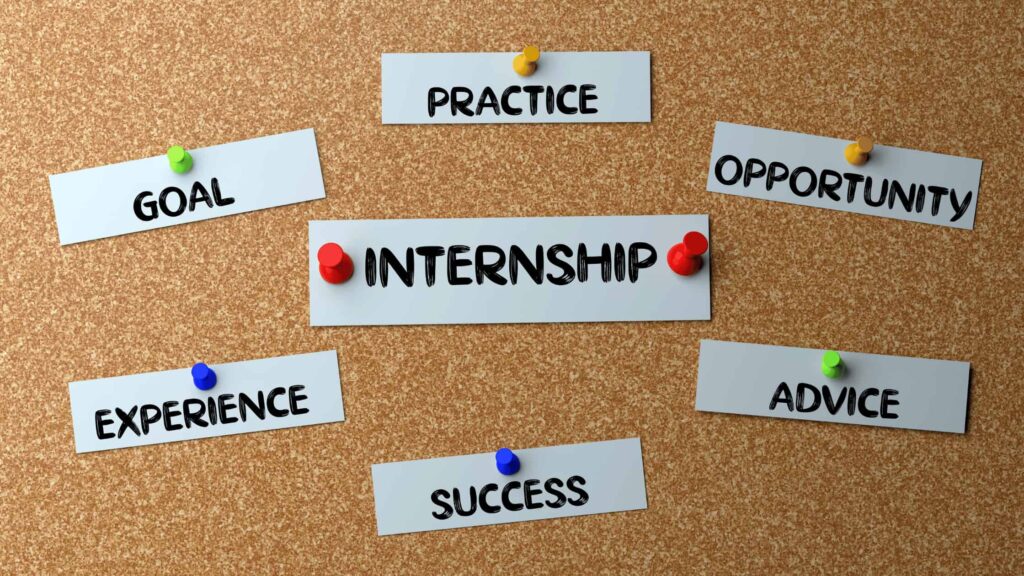
3.2 Internships
Internships give practical experience, even for high school students. Many companies and startups offer short-term internships to teenagers. These help students learn important professional skills like:
● Time management
● Communication
● Problem-solving
● Teamwork
Popular fields for high school internships include:
● Digital marketing
● Content writing
● Graphic design
● Coding
● Research assistance
● Social media management
● NGO work
Even a one-month internship adds valuable weight to a student’s portfolio.
3.3 Projects
Projects show creativity, independent thinking and initiative. Students should include personal or academic projects such as:
● Science models
● Mobile apps
● Websites
● Research papers
● Photography collections
● Design portfolios
● Video documentaries
● Social impact initiatives
A project shows that the student can apply their knowledge in a real-world context.
3.4 Extra-Curricular Activities
Colleges look for well-rounded students. Extra-curricular activities help students develop leadership and communication skills. These may include:
● Sports
● Dance or music
● Drama or public speaking
● Debate
● Art and craft
● School clubs
● Cultural programs
Each activity shows the student’s personality beyond academics.
3.5 Co-Curricular Activities
Co-curriculars show engagement with academic growth. They include:
● Olympiads
● MUN participation
● School competitions
● Quizzes
● Science fairs
● Math or coding competitions
They reflect academic curiosity and active participation.
3.6 Volunteering and Community Work
Colleges and employers appreciate students who contribute to society. Volunteer work teaches responsibility and compassion. Students can volunteer with:
● NGOs
● Environment campaigns
● Teaching programs
● Social awareness drives
● Fundraising events
This experience strengthens both character and applications.
3.7 Awards and Achievements
Students should showcase every award or recognition, such as:
● School awards
● Sports medals
● Certificates of excellence
● Writing or art contests
● Leadership positions
Achievements show dedication and hard work.
3.8 Skills Section
A dedicated skills section helps to summarise what the student is good at. Skills may include:
● Technical skills such as coding, video editing or Canva design
● Soft skills like communication, leadership or teamwork
● Creative skills such as writing, painting or music
This helps institutions understand the student’s capabilities quickly.
4. How to Create a Professional Portfolio
Once students know what to include, the next step is organising everything properly. A portfolio should be clean, structured and easy to read.
4.1 Digital Portfolio
A digital portfolio is becoming very popular. Students can build it using:
● Simple website builders
● Presentation files
● Online portfolio tools
A digital portfolio is easy to share with colleges, recruiters and mentors.
4.2 Physical Portfolio
Some students also keep a physical folder with:
● Printed certificates
● Project photos
● Artwork
● Letters of recommendation
This is helpful during college interviews or career counselling sessions.
5. How Students Can Strengthen Their Portfolio in High School
To build a strong portfolio, students can focus on key strategies.
5.1 Start Early
Building a portfolio from class 9 or 10 gives students more time to gather achievements and experiences.
5.2 Show Consistency
Instead of joining many activities randomly, students should show consistent participation in their areas.
5.3 Focus on Quality, Not Quantity
A strong portfolio has meaningful work, not dozens of empty certificates.
5.4 Take Initiative
Students should create their own projects, activities or events. Initiative shows leadership.
5.5 Document Everything
Students must save all certificates, photos, videos, reports and links.
6. Mistakes Students Should Avoid While Building a Portfolio
Students often make mistakes, such as:
● Adding unnecessary achievements
● Using poor-quality photos
● Copying projects from others
● Showing too many unrelated activities
● Ignoring skills that matter
● Not updating the portfolio regularly
Avoiding these mistakes improves professionalism.
7. Role of Parents in Portfolio Building
Parents can support students by:
● Encouraging participation in activities
● Helping them find internships or courses
● Appreciating their efforts
● Allowing them to explore interests freely
● Helping them document achievements
A supportive environment helps students build confidence.
8. Benefits of a Strong Portfolio
A powerful portfolio helps students:
● Improve college admission chances
● Stand out in scholarship applications
● Get internships easily
● Build confidence
● Understand their strengths
● Explore their interests
It becomes the foundation for their academic and professional journey.
Conclusion
Building a strong portfolio in high school is one of the smartest steps a student can take. It highlights skills, interests, achievements and real-world experience. With internships, projects, extra-curriculars and consistent effort, students can create a profile that reflects their potential. A well-made portfolio opens doors to better opportunities, stronger applications and a brighter future.