




How to Build a Strong CV / Portfolio as a High School Student — Even Before College Admissions
In today’s competitive academic world, a strong CV or portfolio is no longer something to create just before college applications. Many colleges in India and abroad now look for students who demonstrate initiative, talent, curiosity, and real-world engagement beyond classroom grades. The good news is that you can begin building an impressive CV or portfolio while still in high school, even if you feel you do not have major achievements yet. What matters most is consistency, clarity of interests, and meaningful effort.
This blog explains step by step how high school students can build a powerful CV or portfolio that reflects their personality, strengths, and potential. Whether you aim to study in India or abroad, these strategies will help you stand out.
Why High School Students Need a CV or Portfolio
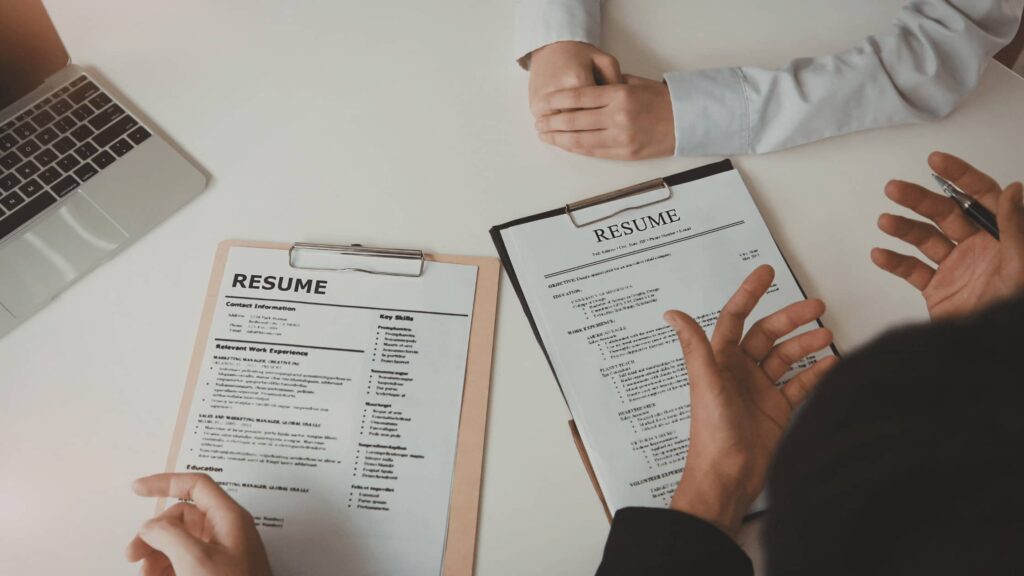
A CV gives a clear summary of your academic background, achievements, skills, and experiences. A portfolio goes deeper by showcasing your actual work, projects, and personal growth. Colleges and scholarship committees increasingly want to see evidence of what you have done, not just what you plan to do.
Starting early in high school helps you
Understand your strengths and interests
Plan your academic and extracurricular journey better
Avoid last-minute stress in grade twelve
Identify meaningful projects to pursue
Build confidence for interviews and applications
What to Include in a High School Student CV
A high school CV does not need to look like a professional resume, but should still be clean, organised, and easy to read. The main sections usually include
Academic background and current grade
Key subjects and any special coursework
Extracurricular activities
Leadership roles
Volunteer work or community service
Competitions and awards
Skills such as languages, software tools, writing, or coding
Personal projects or research
Hobbies and interests
Contact information
Even if you feel you do not have enough experience yet, start with whatever you have. As you grow and gain more exposure, you can update and expand each section.
How to Build Experiences That Strengthen Your CV
Join Clubs and School Activities
Clubs like debate, drama, robotics, science, music, art, photography, or entrepreneurship add depth to your profile. Active participation over several years shows dedication. Leadership roles such as vice president, team captain, or event coordinator strengthen your CV even further.
Participate in Competitions
Competitions teach teamwork, pressure management, and creativity. These may include olympiads, quizzes, coding competitions, hackathons, writing contests, or sports tournaments. Even participation without winning helps build experience and confidence.

Take Online Courses
High school students can now take courses in coding, design, finance, psychology, communication, astronomy, marketing, and more. Completing a few courses each year strengthens your knowledge and shows curiosity beyond the school curriculum.
Volunteer Work
Community service is one of the most valuable additions to a high school CV. You can teach younger students, assist at local organisations, contribute to environmental projects, or help with awareness campaigns. Real service shows empathy and willingness to contribute to society.
Attend Workshops or Summer Camps
Summer programs help you explore interests more deeply. They can be related to science, arts, leadership, technology, literature, or social impact. These experiences expose you to new ideas and new people, helping you develop soft skills and clarity about your goals.
Start a Personal Project
Personal projects are one of the strongest ways to stand out in college applications. They show initiative, creativity, independence, and long-term thinking. Examples include
Writing a blog
Starting a small business
Building an app
Conducting a research project
Creating a YouTube channel
Making a documentary
Designing artwork or illustrations
Publishing a short story or zine
Starting a school event or campaign
Even a small project becomes impressive if you show progress, consistency, and results.
Internships and Job Shadowing
Some organisations allow high school students to intern or observe professionals at work. This real-world exposure helps you understand career paths while boosting your CV with practical experience.
How to Build a Personal Portfolio
A portfolio is a collection of your best work. It is especially valuable for students interested in arts, design, writing, coding, research, or entrepreneurship. A good portfolio should include
A short introduction about yourself
Samples of your best work
Descriptions of each project
Photos, screenshots, or scanned work
A reflection on what you learned
Any outcomes or results
Future goals
Keep your portfolio organised by section and update it regularly as you complete new projects.
Tips for Different Interest Areas
For STEM Students
Add science fair projects
Create short research papers
Solve online coding challenges
Build simple apps or websites
Join robotics or math clubs
For Arts and Design Students
Include sketches, paintings, digital art, or photography
Document school events you helped design
Show work from workshops or personal projects
Share concept notes or creative process
For Business or Economics Students
Run a small business or online venture
Participate in entrepreneurship competitions
Create financial analysis or case studies
Document leadership roles in school events
For Humanities Students
Write essays, articles, or creative pieces
Support community projects or awareness campaigns
Do small research projects in history, psychology, or sociology
Participate in debates or Model United Nations
How to Maintain Quality in Your CV or Portfolio
Focus on depth, not random activities
Long-term commitment to a few areas is better than joining many activities without real interest.
Show outcomes
Every activity should ideally show what you achieved or learned.
Be honest
Never exaggerate or fabricate achievements. Authenticity matters.
Keep everything organised
Update your CV every few months and keep your portfolio neatly arranged.
Reflect on your experiences.
Write a few lines about what each experience taught you. Colleges value reflection.
Common Mistakes Students Should Avoid
Waiting until grade twelve to start building their profile
Joining activities only for certificates
Focusing only on academics or only on extracurriculars
Ignoring soft skills like communication and teamwork
Losing consistency or quitting too quickly
A well-balanced CV shows academic strength, extracurricular involvement, personal passion, and community responsibility.
Conclusion
Building a strong CV or portfolio as a high school student is not about collecting certificates. It is about discovering who you are, what interests you, and how you can grow. Start early, be consistent, and choose activities that genuinely matter to you. Every project, skill, or experience adds up over time. With steady effort and thoughtful planning, you will enter the college admission process with confidence and a clear sense of purpose.