






Mental Health & Career Pressure in India: Coping Strategies for Students and Parents
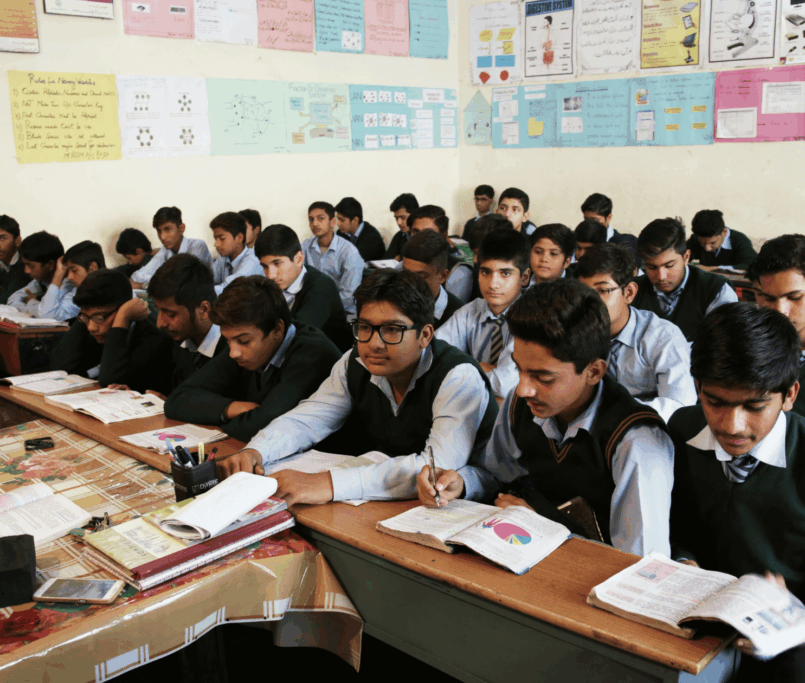
In India, academic success and career choices often carry enormous pressure. From a young age, students hear messages about competition, stability, and expectations. Parents, too, experience stress as they try to guide their children through a highly competitive education system. Over time, this combined pressure can affect mental health in serious ways, leading to anxiety, burnout, fear of failure, and loss of confidence.
Understanding how to handle these pressures is essential for students as well as parents. With the right strategies, it is possible to maintain mental well-being while still pursuing academic and career goals. This blog explores the sources of career pressure in India and offers practical coping strategies for both students and parents.
Why Career Pressure Is So Intense in India
Strong competition
Millions of students compete every year for limited college seats, entrance exams, and job opportunities. This creates a sense of constant comparison and fear of falling behind.
High expectations
Indian families often emphasise success, security, and respectability. Many parents want their children to follow well-known career paths such as engineering, medicine, or government services. Students may feel obligated to fulfil these expectations even if their interests differ.
Lack of awareness of diverse careers
Although new fields are emerging, many people remain unaware of the wide variety of career options available today. Students may feel pressured to choose traditional paths because they believe these are the only safe options.
Social comparisons
Friends, relatives, and society frequently compare students based on marks, ranks, and achievements. Social media adds an extra layer of pressure by displaying curated successes of others.
Fear of failure
Students often grow up believing that one bad exam or one wrong choice will ruin their future. This fear can lead to high stress and low confidence.

Effects of Career Pressure on Mental Health
Chronic stress
Constant pressure to perform academically can lead to fatigue, irritability, and inability to concentrate.
Anxiety and overthinking
Students may constantly worry about results, plans, and parental expectations.
Burnout
Intense study schedules with little rest can cause emotional, physical, and mental exhaustion.
Loss of self-confidence
Repeated comparisons and criticism can make students doubt their abilities.
Depression
Feelings of hopelessness, isolation, and lack of motivation can emerge when the pressure becomes overwhelming.
Physical symptoms
Headaches, sleep issues, breathing problems, and appetite changes are common when stress levels are high.
Recognising these signs early is important so students and parents can take steps to restore balance.
Coping Strategies for Students
Set realistic goals
Break big tasks into smaller steps. Celebrate progress instead of waiting for perfect results. This reduces pressure and builds confidence.
Create a healthy study routine.
A structured schedule that includes breaks, exercise, and adequate sleep helps the mind stay fresh. Consistency is more effective than long hours of stressful study.
Practice time management
Using planners, daily lists, or weekly goals helps reduce last-minute panic. Managing priorities also builds a sense of control.
Talk about your feelings.
Share your worries with a trusted friend, teacher, counsellor, or family member. Talking reduces anxiety and helps you understand your emotions better.
Avoid comparisons
Everyone learns at a different pace. Focus on your own growth instead of comparing yourself to others.
Explore different careers
Learn about new and emerging fields. Attend workshops, internships, or online sessions to discover what interests you. Knowing your options helps reduce fear.
Develop hobbies and a creative outlet.s
Activities like music, art, writing, sports, or dance help release stress and keep the mind active. A balanced lifestyle supports mental well-being.
Limit social media consumption.
Constant exposure to others’ successes can create unrealistic expectations. Take breaks when needed and avoid negative content.
Practice self-compassion
Accept that mistakes and failures are part of learning. Be kind to yourself and acknowledge the effort you are making.
Coping Strategies for Parents
Understand modern career landscapes
The world has changed. Many emerging fields, such as data science, digital marketing, design, psychology, environmental studies, and entrepreneurship, offer strong career opportunities. Parents must stay informed so they can guide their children realistically.
Communicate without judgement
A safe and open environment at home encourages children to express their struggles. Instead of criticising marks, ask how they feel and what support they need.
Focus on long-term development.
Skills such as communication, critical thinking, emotional intelligence, and creativity matter more in the long run than short-term exam scores.
Stop comparing
Comparisons with cousins, neighbours, or friends damage self-esteem and increase stress. Every child has unique strengths and interests.
Encourage exploration
Allow children to explore different activities, subjects, and careers. Exposure helps them make informed decisions about their future.

Be supportive during failures.
When children face setbacks, reassure them that failure is a part of growth. Encourage reflection instead of punishment or pressure.
Model healthy behaviour
Children observe how parents handle stress. Maintaining calm, practising self-care, and showing patience sets a strong example.
When to Seek Professional Help
There is no shame in asking for professional support. Counsellors and psychologists are trained to help students manage anxiety, academic pressure, and emotional struggles. You should consider seeking help if a student
shows signs of extreme stress
feels constantly hopeless or anxious
experiences major changes in sleep or appetite
loses interest in daily activities
talks about giving up
Timely help can prevent long-term mental health issues and provide tools for emotional resilience.
Building a Healthier Approach to Success
Success is not defined by one exam, one college, or one career path. It is shaped through discipline, curiosity, adaptability, and lifelong learning. When students feel supported and understood, they are more likely to perform well academically and grow into confident adults.
Parents and students both play a role in creating a healthier environment. By prioritising mental well-being, setting realistic expectations, and embracing diverse talents, families can reduce stress and build a positive approach toward careers.
Conclusion
Career pressure is a real and significant challenge in India, but it does not have to damage mental health. With open communication, supportive environments, and practical strategies, students can pursue their goals with confidence and clarity. Parents can provide guidance without overwhelming expectations. Together, they can build a foundation of emotional resilience that helps students thrive academically and personally.