






College vs. Online Courses vs. Certification — What Works for Indian Youth
Choosing the right learning pathway after school has become one of the biggest decisions for today’s Indian youth. The traditional route of going to college still dominates the minds of students and parents, but the world has changed drastically in the last decade. Online courses, micro-credentials, diploma programs and job-oriented certifications have become strong alternatives. These new pathways offer flexibility, affordability and faster access to industry skills.
The challenge is that most students feel confused. Should they pursue a degree for long-term stability? Should they take an online course to develop a modern skill quickly? Is a certification enough to get a job? How do employers view these options? And most importantly, which path is right for which student?
This blog breaks down the differences between college education, online courses and certification programs. It explains the strengths and limitations of each option and helps Indian students understand what truly works best in today’s rapidly evolving world.
1. The Role of Traditional College Education
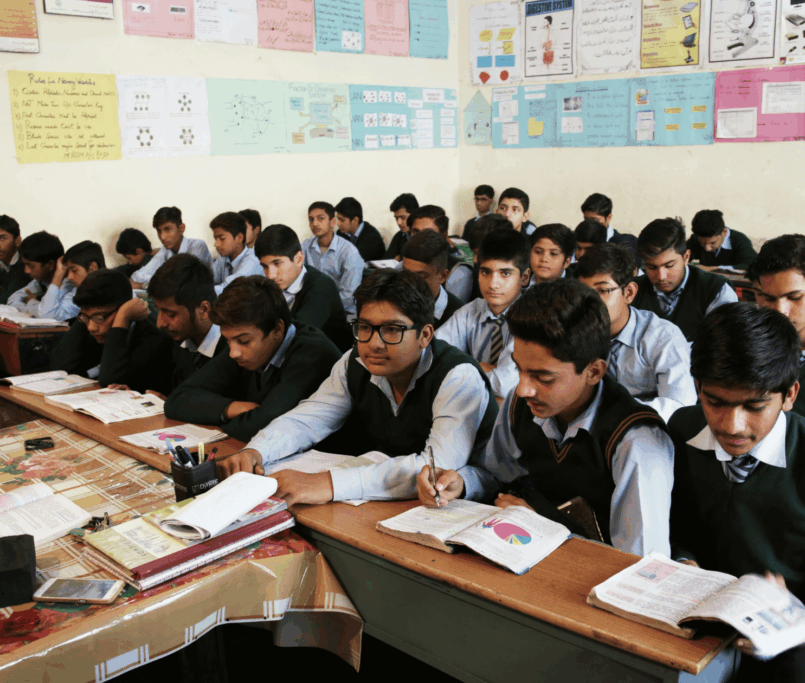
For generations, attending college has been seen as the natural next step after school. College offers a structured environment, experienced faculty, academic depth and a recognised degree. In India, degrees are especially important because many government, private and international opportunities require formal qualifications.
Why College Still Matters
Even with the rise of online education, colleges continue to hold strong value for several reasons.
First, a degree is still essential for many fields such as engineering, medicine, law, finance, psychology and government careers. Students wishing to pursue postgraduate studies or research also need a recognised undergraduate degree.
Second, college helps in the overall development of young adults. It provides exposure to diverse people, perspectives and experiences. Students learn teamwork, discipline, communication and leadership, which are all valuable in the workplace.
Third, many companies still require a degree during hiring. A college degree serves as a basic qualification filter for several jobs.
Furthermore, colleges offer multiple extracurricular opportunities such as clubs, internships, fests and events that help students discover their strengths.
Limitations of College Education
However, traditional colleges have several challenges, especially in India.
Most colleges follow outdated syllabi that do not match today’s industry requirements. Students often graduate without the practical skills that employers expect.
Fees in private colleges have increased, but the return on investment varies widely. Many courses do not guarantee employability.
The teaching approach is often theoretical, and students may not get exposure to real-world applications.
Additionally, spending three to four years in a degree program can delay entry into the job market if the student already knows the skills they want to pursue.
College is beneficial, but it is not always enough or suitable for every student.
2. Online Courses: Flexibility and Fast Learning
Online courses have grown rapidly in India, especially after the rise of digital learning platforms and increased internet accessibility. These courses range from introductory to advanced, covering topics such as artificial intelligence, graphic design, coding, marketing, finance, editing, communication and hundreds of other skills.
Why Online Courses Have Become Popular
The biggest strength of online courses is their flexibility. Students can learn anytime and from anywhere. Those already pursuing college, part-time work, or family responsibilities can fit learning into their schedule.
Online courses are also cost-effective. Many high-quality courses cost significantly less than traditional college programs. Some platforms even provide free options with the ability to pay for certificates later.
A major advantage is that online courses are updated frequently. They tend to match industry standards more closely. This is extremely important for fast-changing fields such as digital marketing, data science and design.
These courses also expose students to global instructors, industry experts and practical, hands-on projects. As a result, learners get immediate access to real-world knowledge, which helps them become job-ready sooner.

Limitations of Online Courses
Even though online courses are powerful, they have limitations that students should understand.
Many online learners struggle with discipline. Without fixed schedules and deadlines, students may leave the course incomplete.
Since there is no physical classroom, some students may feel isolated or lack guidance.
While online courses teach skills quickly, they may not replace the depth of a full degree program. For example, becoming a doctor, lawyer, or engineer cannot be achieved through an online course alone.
Additionally, employers sometimes question the credibility of online certificates, especially if the student cannot demonstrate practical skills.
Online courses are best for skill-building, but they are not always enough to build a complete academic foundation.
3. Certification Programs: Job-Oriented and Practical
Certification programs sit between college and online courses. They are more structured than online courses but shorter and more focused than full degree programs. Certifications are ideal for students who want to specialise in a particular skill quickly and professionally.
These programs are available both online and offline, depending on the field. Some popular certification areas include digital marketing, cloud computing, data analytics, hospitality management, accounting software, graphic design, animation, supply chain, foreign languages and technical trades.
Why Certifications Are Valuable
Certifications are usually designed in collaboration with industries. This means the curriculum focuses on skills employers actively look for. Students completing certification programs often gain hands-on experience through practical assignments, workshops or internships.
Another benefit is speed. Instead of spending years in a degree program, students can complete job-oriented certifications within months. This is extremely helpful for students who want quick entry into the job market or want to add to their existing qualifications.
Certifications also help professionals upgrade their skills. For instance, a commerce student can earn a financial analytics certification, or a designer can learn UI UX. This strengthens their portfolio and increases employability.
Limitations of Certification Programs
Certifications alone do not replace a degree for careers requiring formal qualifications. Many government, academic or high-level corporate roles still require a degree as a minimum requirement.
Certification programs can also vary in quality. Since many institutions offer them, students must carefully evaluate the credibility of the course provider, content and placement support.
Additionally, while certifications provide practical training, they need to be paired with continuous learning to stay relevant in fast-changing industries.
Certifications are best for adding specialised skills, but are not always enough for long-term academic growth.
4. Comparing the Three Pathways: Which One Works Best for Indian Youth learning options offer a unique set of advantages and disadvantages. The best choice depends on the student’s goals, interests, financial situation and career direction.
Who Should Choose College
A college degree is essential for students who:
Want careers that legally require formal education, such as medicine, engineering, law, architecture or research.
Plan to study abroad for postgraduate programs.
Prefer structured learning, academic depth and campus experiences.
Seek stability and long-term career growth in sectors that require qualifications.
College is the best option when the field demands official recognition and a theoretical foundation.
Who Should Choose Online Courses
Online courses are ideal for students who:
Want to explore different fields before choosing a career.
Prefer flexible learning without fixed schedules.
Are interested in fast-changing fields like digital marketing, AI, coding, editing, writing or design.
Want to improve a specific skill quickly to support their studies or freelancing.
Online courses are excellent for self-motivated learners who want to stay updated with industry trends.
Who Should Choose Certification Programs
Certifications are ideal for students who:
Want job-ready skills in a short period.
Prefer practical training and hands-on experience.
Want to complement their degree with industry-oriented skills.
We are aiming for technical trades, creative skills or professional job roles.
Certifications work best when combined with either a degree or a strong portfolio.

5. The Smartest Strategy for Indian Students: A Combination Approach
The reality of today’s world is that no single pathway is enough by itself. The smartest students combine multiple learning methods to ensure complete development.
For example:
A college student can take online courses to update their knowledge.
Someone with a degree can add certifications to stand out in the job market.
A student unsure about college can try online courses to explore interests.
A professional can use certifications to upgrade skills and stay relevant.
This blend makes students more competitive, skilled and adaptable.
Conclusion
The education landscape in India is undergoing a major shift. Traditional college degrees still hold value, but online courses and certification programs are powerful alternatives that offer speed, affordability and practical skills. The key is to understand that each option works best for different goals.
College works for structured learning, long-term careers and fields requiring formal degrees. Online courses work for skill exploration, digital knowledge and fast-changing industries. Certification programs work for job-ready training and specialisation.
The future belongs to students who combine these learning methods wisely. Indian youth who remain curious, flexible and continuously improving will succeed regardless of the path they choose. What matters most is not the mode of learning but the willingness to grow, adapt and build relevant skills for the future workplace.