






Alternatives to Traditional Degrees: Skill-Based Courses, Certifications, and On-the-Job Learning in India
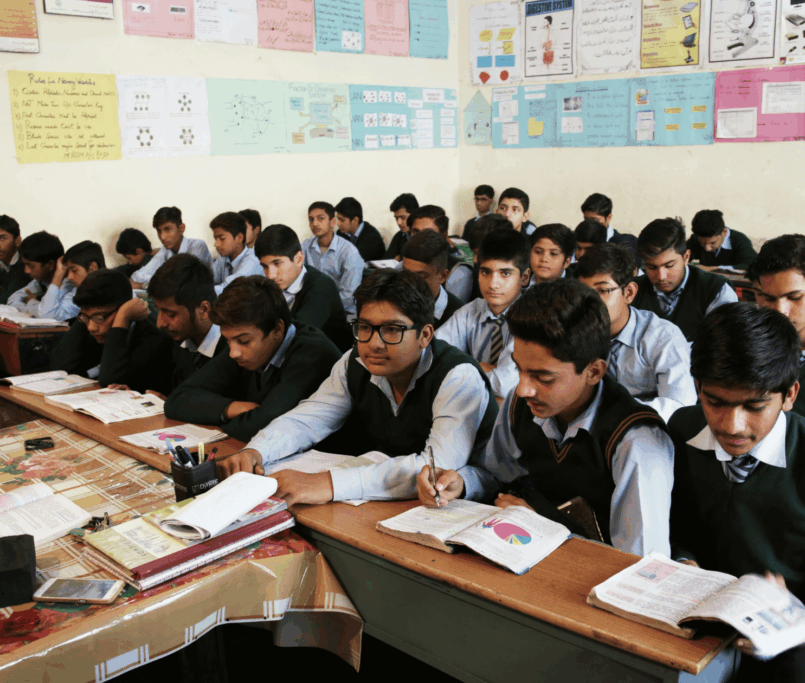
For decades, traditional three or four-year degrees have been seen as the main route to career success in India. Families often believe that only a formal degree in engineering, medicine, commerce, or the arts can guarantee stability and respect. However, the job market is changing rapidly. Employers today value skills, practical knowledge, creativity, adaptability, and real-world experience as much as academic qualifications. As a result, many Indian students are now exploring alternative education pathways that offer faster, more flexible, and more affordable ways to build careers.
Skill-based courses, certifications, and on-the-job learning options are becoming powerful solutions for students who want to gain industry-relevant training without investing several years in a traditional classroom. These paths are not replacements for degrees in every case, but they provide strong opportunities for students who want to enter the workforce quickly or specialise in specific skills.
This blog explains the growing alternatives to traditional degrees and how students in India can use them to build successful careers.
Why Alternatives to Degrees Are Growing in India
Changing job market
Industries such as technology, design, finance, and digital media are evolving rapidly. Companies hire based on what a candidate can do, not just what degree they have.
Demand for practical skills
Many students complete degrees without gaining hands-on skills. Employers now prefer candidates with real abilities in coding, design, analytics, communication, and problem-solving.
Rise of online learning
High-quality courses are now accessible from anywhere, allowing students to learn at their own pace.
Cost and time efficiency
Skill-based pathways are often shorter and more affordable than multi-year degrees.
Entrepreneurial mindset
More young people want to start businesses, freelance, or build creative careers where degrees matter less than talent and execution.
Types of Alternatives to Traditional Degrees
Skill-Based Certification Courses
Certification courses focus on practical training in a specific domain. They teach job-ready skills in a short period, usually from a few weeks to a few months.
Popular areas include
Data analytics
Digital marketing
Graphic design
UX UI design
Coding and software development
Cloud computing
Cybersecurity
Interior design
Video editing and animation
Finance and accounting tools
Foreign languages
Hospitality and tourism
Fitness training and nutrition
These courses help students build a portfolio and gain confidence to apply for internships or entry-level jobs.

Diploma and Advanced Diploma Programs
Diplomas provide more in-depth training than short courses but are still shorter than full degrees. They are offered by many training institutes, polytechnic colleges, and government-approved centres.
Examples include
Diploma in engineering fields
Diploma in hotel management
Diploma in fashion design
Diploma in filmmaking
Diploma in Artificial Intelligence
Diploma in Business Management
Diplomas are helpful for students who want a structured but practical learning path.
Apprenticeships and On-the-Job Learning
Apprenticeships allow students to learn directly in the workplace while earning a small stipend. This model provides hands-on training under professional supervision.
Industries offering apprenticeships include
Manufacturing
Banking
Information technology
Retail
Healthcare
Automobile industry
Hospitality
On-the-job experience helps students build confidence, work ethics, and professional networks.
Bootcamps
Bootcamps are intensive, short-term training programs focused on a specific skill. They are common in technology fields.
For example
Coding bootcamps
Design bootcamps
Product management bootcamps
Data science bootcamps
Bootcamps are fast-paced and project-oriented, helping students build portfolios quickly.
Online Learning Platforms
Digital platforms provide flexible learning options for students who want to study from home at their own pace. Many courses include assignments, mentorship, and certification.
Benefits include
Low cost
Self-paced learning
Access to global instructors
Variety of subjects
Students can use online learning to explore interests before committing to a long-term program.
Government Skill Development Programs
The Indian government supports skill training through several initiatives designed to help youth develop industry-relevant abilities. These programs focus on employability and practical training across many fields.
Benefits include
Subsidised or low-cost training
Industry-approved skills
Certificates that help in job applications
These programs especially benefit students from rural and semi-urban areas.
Freelancing and Portfolio-Based Careers
In creative fields, a strong portfolio often carries more weight than a degree. Students can start gaining experience through freelancing, internships, or personal projects.
Fields where portfolios matter include
Writing
Photography
Content creation
Social media management
Graphic design
Web development
Video editing
Animation
Fashion styling
Freelancing teaches responsibility, customer interaction, and project management.
Who Should Consider Alternatives to Traditional Degrees
Students who prefer practical learning
Students who want to enter the workforce quickly
Students unsure about investing in a long-term degree
Students whose interests lie in creative or technical fields
Students looking to switch careers
Students who want flexible learning options
These pathways help students gain clarity before committing to larger academic decisions.
How Students Can Choose the Right Alternative Path
Identify your interest area
Think about what skills you enjoy learning and where you want to build a career.
Check industry demand
Research which fields are growing and what companies look for in candidates.
Understand required skills
Look at job descriptions to see what technical and soft skills employers expect.
Verify the institute or course quality.
Check faculty experience, curriculum, placement support, and student reviews.
Build a portfolio
Even after a short course, complete projects that showcase your skills.
Gain practical exposure
Internships, freelancing, and apprenticeships make you job-ready.
Upskill continuously
Skills become outdated quickly in fast-moving industries. Keep learning regularly.
Advantages of Skill-Based Learning Paths
Faster entry into jobs
Hands-on skills
Lower cost
Flexible learning schedules
Targeted career preparation
Better alignment with modern industry needs
Limitations to Consider
Some fields require formal degrees
The quality of courses can vary
Requires self-discipline
May need additional training for advanced roles
However, with the right choices, skill-based paths can lead to stable and successful careers.
Conclusion
The future of education and employment in India is shifting rapidly. Degrees still hold importance, but they are no longer the only gateway to meaningful careers. Skill-based courses, certifications, apprenticeships, online programs, and portfolio-driven paths open new opportunities for students who want practical, fast, and effective ways to enter the workforce.
The key is to understand your goals, research carefully, and choose a path that aligns with your strengths and long-term aspirations. With dedication and continuous learning, students can build fulfilling careers through both traditional and alternative education routes.