






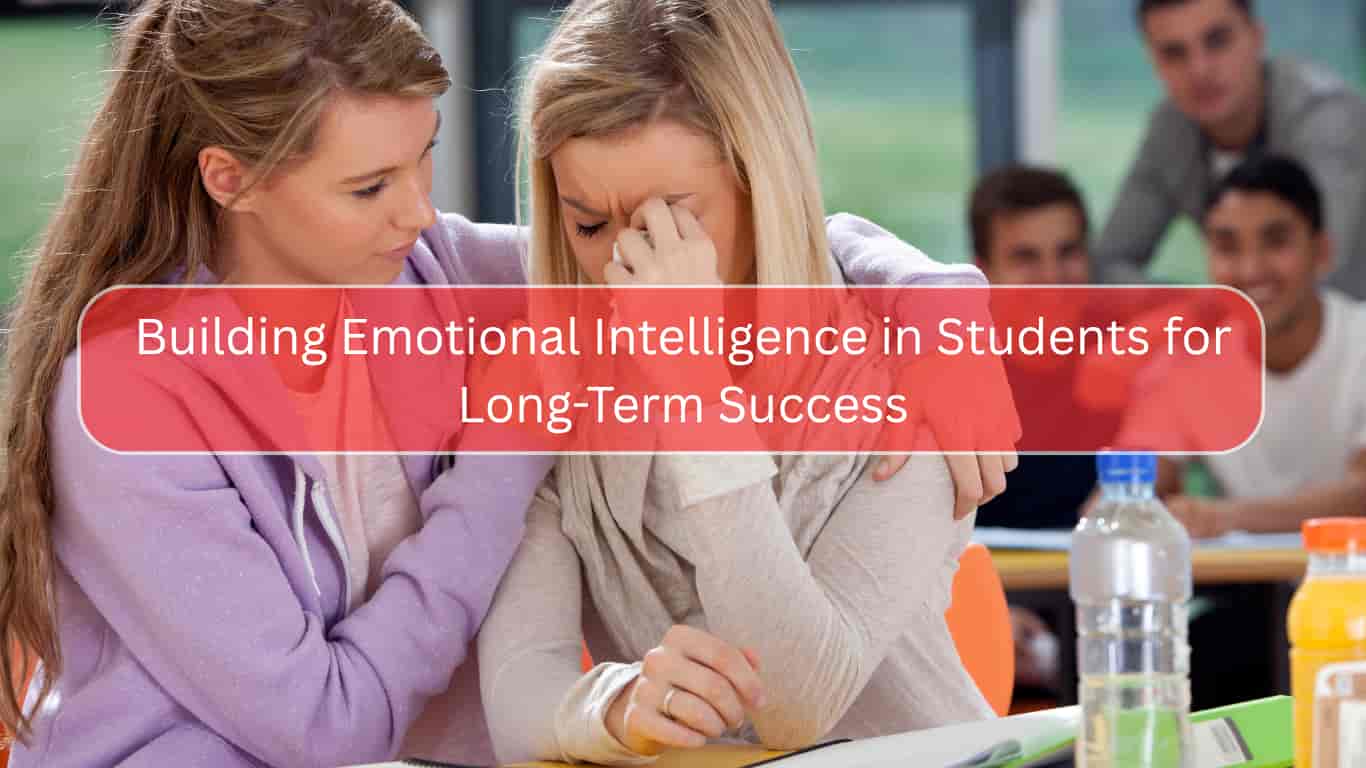
Building Emotional Intelligence in Students for Long-Term Success
Introduction
In today’s fast-changing and highly competitive world, academic performance alone is not enough to ensure long-term success. Employers, educators, and leaders now value emotional intelligence (EI or EQ) as much as intellectual ability (IQ). For students, building emotional intelligence early in life can lead to stronger relationships, better mental health, higher self-awareness, and improved career opportunities.
This blog explores why emotional intelligence is critical for students, its key components, and practical strategies to develop it step by step.
1. What is Emotional Intelligence (EI)?
Emotional intelligence is the ability to recognize, understand, manage, and influence emotions—both in oneself and in others. Psychologist Daniel Goleman defined EI as consisting of several core competencies:
- Self-awareness – Recognizing one’s own emotions and triggers.
- Self-regulation – Controlling impulsive behaviors and adapting to changing circumstances.
- Motivation – Staying focused and resilient in the face of challenges.
- Empathy – Understanding and valuing others’ perspectives.
- Social skills – Building healthy relationships and managing conflicts effectively.
For students, these skills are vital not only in classrooms but also in personal growth and future careers.
2. Why Emotional Intelligence Matters for Students
2.1 Improves Academic Performance
- Students with high EI handle exam stress better, stay focused, and manage time wisely.
- They are more open to feedback and constructive criticism, which improves learning outcomes.
2.2 Enhances Communication and Teamwork
- Group projects, debates, and class discussions require strong communication.
- EI helps students express thoughts clearly and listen actively to peers.
2.3 Builds Resilience
- Failure is a part of life, but emotionally intelligent students bounce back faster.
- They learn from mistakes rather than being overwhelmed by them.
2.4 Prepares for Career Success
- Employers seek candidates with teamwork, empathy, and leadership skills.
- EI is increasingly linked to higher workplace productivity and promotion opportunities.
3. Core Components of Emotional Intelligence in Students
3.1 Self-Awareness
- Ability to understand emotions, strengths, weaknesses, and personal values.
- Helps students make informed choices about study habits, careers, and friendships.
4. Conclusion
Building emotional intelligence in students is not just an “extra skill” but a lifelong necessity. Academic grades may open doors, but emotional intelligence helps students sustain success, overcome challenges, and thrive in both personal and professional life.
By focusing on self-awareness, self-regulation, empathy, motivation, and social skills, students can build a strong emotional foundation. With guidance from teachers, parents, and structured practices, they can become resilient, compassionate, and successful individuals who excel not only in academics but also in relationships and careers.
Key Takeaway: In the 21st century, emotional intelligence is as essential as technical knowledge. By nurturing EI early, we prepare students to succeed not just in exams, but in life.