






Alternatives to Traditional Degrees: Vocational Training, Skill-Based Courses and Apprenticeships in India
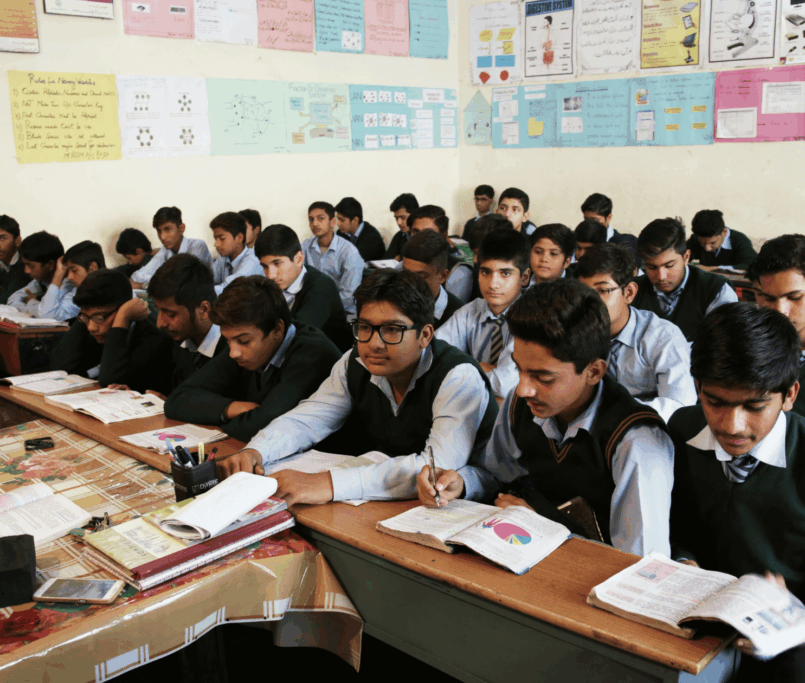
For decades, traditional degrees like BTech, BCom, BA, or BSc have been considered the gold standard for career success in India. Students and parents often believe that a college degree is the only pathway to a stable and well-paying job. However, in today’s fast-evolving job market, this perception is changing. Many industries now prioritise practical skills, experience, and adaptability over academic credentials alone. Employers increasingly look for candidates who can contribute immediately, solve real-world problems, and adapt to changing technologies and business needs.
As a result, vocational training, skill-based certification programs, and apprenticeships have emerged as highly viable alternatives to traditional degrees. These pathways are gaining traction among students who want to enter the workforce quickly, gain hands-on experience, and reduce the financial burden associated with conventional education. Unlike degree programs, these alternatives focus on learning by doing, ensuring that students develop skills that are directly relevant to the industry.
This blog will explore why students are increasingly opting for skill-based learning, the different alternatives available, their career potential, and tips for choosing the right path. It will also guide parents on how to support their children in exploring these modern education pathways.
Why Students Are Choosing Alternatives to Degrees
Several factors are driving Indian students to consider alternatives to traditional degrees:
1. High Demand for Skills in the Job Market
The Indian job market is undergoing a major shift. Companies in IT, healthcare, retail, hospitality, manufacturing, and digital sectors are increasingly looking for candidates with practical skills rather than purely academic knowledge. Technical roles often require hands-on experience that a classroom setting cannot provide.
For example, a digital marketer with practical experience in social media campaigns or SEO may be preferred over a BCom graduate who only studied marketing theory. Similarly, a certified IT professional skilled in cloud computing or cybersecurity can secure employment faster than a computer science graduate with limited practical experience.
2. Faster Entry Into the Workforce
Traditional degrees usually take three to four years to complete, followed by additional time for internships, competitive exams, or job hunting. In contrast, vocational training and certification courses can be completed in a few months to one year, enabling students to start earning sooner. Early career entry helps students gain financial independence and practical knowledge simultaneously.
3. Lower Financial Burden
The cost of higher education in India or abroad can be high. Tuition fees, living expenses, and other associated costs can make degree programs unaffordable for many middle-class families. Skill-based programs are typically more affordable, allowing students to learn market-relevant skills without accumulating heavy debt. Apprenticeships further reduce costs since students earn while learning.
4. Industry-Integrated Learning
Skill-based programs often include internships, live projects, and apprenticeships, giving students real-world exposure. This integration ensures that learners are ready to handle professional responsibilities immediately after completing the course.
For instance, a student completing a UI/UX certification program may work on live design projects during training, building a portfolio that directly impresses potential employers. Similarly, hospitality vocational training often involves on-site experience in hotels and restaurants, preparing students for real job scenarios.
5. Flexibility and Career Options
Skill-based learning offers flexibility. Students can switch between fields, take up freelance work, or even start their own business. Unlike traditional degrees, which often lock students into a specific career path, vocational and skill-based education allows learners to explore multiple industries, adapt to market trends, and develop specialised expertise.
Popular Alternatives to Traditional Degrees in India
Several options are available for students looking to bypass conventional degree programs. The most common include vocational training, skill-based certification courses, and apprenticeships.
1. Vocational Training Programs
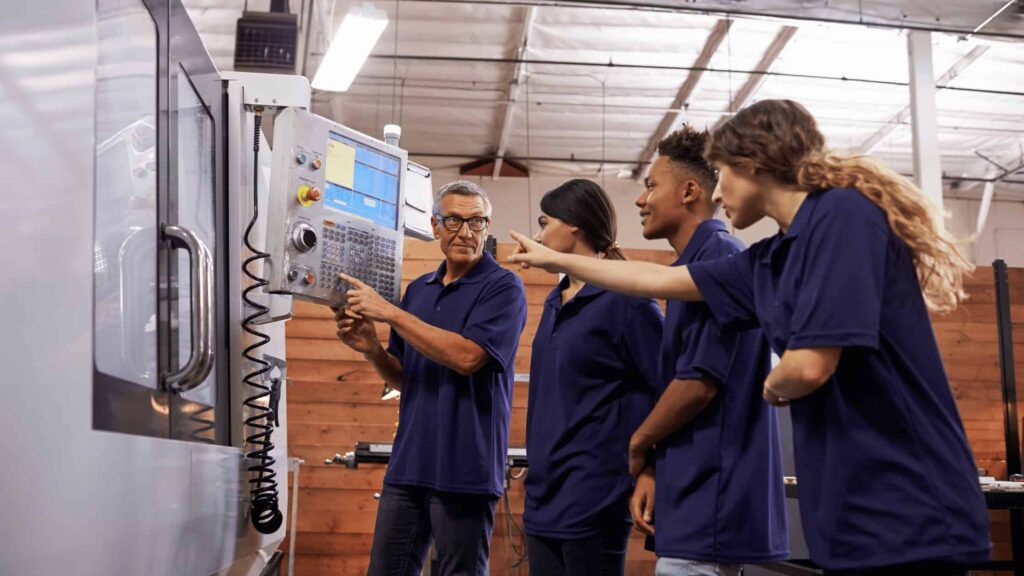
Vocational training programs equip students with job-ready skills tailored for specific industries. These courses are highly practical and focus on preparing learners to handle the actual responsibilities of a job from day one.
Popular Vocational Fields
- Healthcare support staff: Lab technicians, pharmacy assistants, medical assistants
- Automotive and mechanical roles: Electricians, mechanics, wiring technicians
- Beauty and wellness: Hairdressers, spa and wellness professionals, cosmetologists
- Hospitality and hotel services: Housekeeping, front desk management, food and beverage services
- Construction and plumbing: Skilled labourers, site technicians
- Retail management: Store management, customer service, and inventory handling
- IT and computer hardware: Network technicians, IT support staff
Benefits of Vocational Training
- Practical, hands-on learning
- Quick job placement after course completion
- Lower fees compared to traditional degrees
- Industry collaboration ensures market relevance
Vocational courses are generally short-term, ranging from 3 months to 2 years, depending on the field. They are especially suitable for students who wish to start working immediately after school or high school.
2. Skill-Based Certification Courses
Certification programs focus on teaching emerging and in-demand skills. These are ideal for students who want to develop expertise in modern industries such as IT, digital marketing, creative design, or finance.
In-Demand Skill Areas
- Digital marketing and SEO
- Graphic design and animation
- Data analytics and AI
- Cybersecurity and cloud computing
- UI/UX design and web development
- Video editing and content creation
- Finance tools and accounting software
Advantages of Skill-Based Certifications
- Build a strong professional portfolio
- Recognised by employers globally
- Higher salary potential compared to fresh graduates
- Enables freelancing and entrepreneurial opportunities
- Flexible learning, both online and offline
Certification courses generally last 6 weeks to 12 months and allow students to focus on practical, job-ready skills. Many programs also offer mentorship and project-based learning, which adds value to a student’s profile.
3. Apprenticeships
Apprenticeships combine learning with paid work experience, providing students the opportunity to earn while they gain industry exposure. Students work under experienced professionals, learning job-specific skills in real-world settings.
Benefits of Apprenticeships
- Practical, hands-on learning
- Stipend or monthly earnings while learning
- Exposure to workplace culture and professional environments
- Stronger employability upon completion
Industries Offering Apprenticeships
- IT and software development
- Manufacturing and automotive
- Aviation and tourism
- Banking and finance
- Retail and hospitality
- Telecom and electronics
Apprenticeships not only provide real work experience but also help students build industry connections, which can be valuable for long-term career growth.
Career Opportunities After Skill-Based Learning
Skill-based learning opens doors to multiple career paths:
- Technical and trade roles: Electricians, mechanics, solar technicians, machine operators
- Digital and creative roles: Graphic designers, video editors, digital marketers, UI/UX designers
- IT and high-tech roles: Junior developers, cloud associates, data technicians, cybersecurity analysts
- Healthcare support roles: Lab assistants, medical technicians, pharmacy assistants
- Business and service roles: Retail executives, logistics coordinators, hospitality staff
Unlike traditional degrees, these programs allow students to enter the workforce earlier and gain practical skills that are immediately valuable to employers.
Choosing the Right Path
Students should consider the following factors when selecting a skill-based pathway:
- Interests and Strengths: Choose a field that aligns with your natural interests, whether technical, creative, or service-oriented.
- Industry Demand: Select courses in fields with growing employment opportunities.
- Practical Exposure: Opt for programs offering internships, apprenticeships, or project work.
- Short-Term Experimentation: Begin with short courses to test your abilities before committing to a long-term program.
- Portfolio Building: Showcase projects, internships, and work experience to boost employability.

Supporting Skill-Based Careers: A Parent’s Role
Parents play a crucial role in encouraging children to pursue non-traditional career paths. They should:
- Recognise that degrees are no longer the only pathway to success
- Avoid comparing children with peers pursuing traditional education
- Observe their child’s interests and strengths
- Help plan realistic short-term and long-term career goals
- Attend counselling sessions and stay informed about emerging career opportunities
With the right guidance, parents can help students navigate alternatives confidently.
Conclusion
The future of careers in India is shifting from degree-based qualifications to skill-first education. Vocational training, skill-based certifications, and apprenticeships provide students with practical experience, financial flexibility, faster employment, and industry relevance.
These alternatives are not just backup options—they are strategic pathways that align with global work trends and market demands. Students who choose skill-based learning can achieve career growth, financial independence, and job satisfaction without following the conventional degree route.
In today’s competitive environment, success is determined more by skills, adaptability, and experience than by degrees alone. With the right mindset, dedication, and practical exposure, students can build rewarding, future-ready careers in India and beyond.